How to Build an Emergency Fund in Today’s Economy
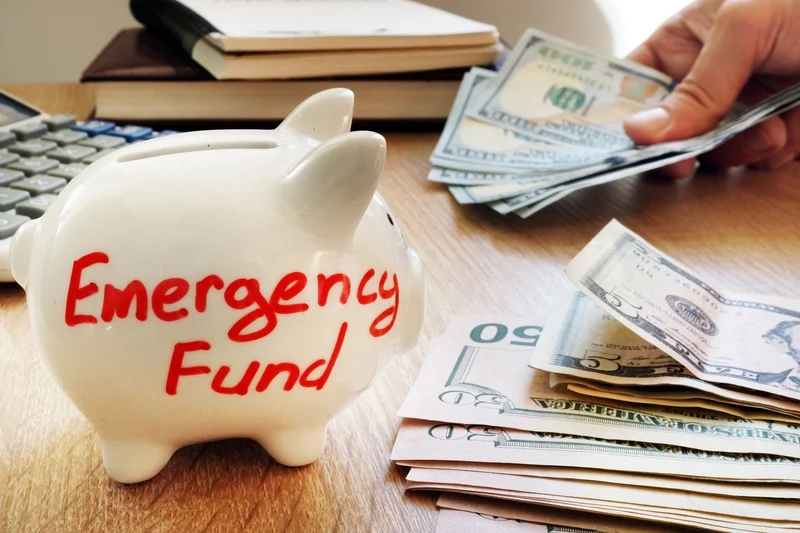
An Emergency Fund is no longer just a financial tip. In today’s economy, it has become a personal safety net. Rising prices, job uncertainty, and unexpected expenses make preparation feel necessary rather than optional.
Still, building an emergency fund does not need to feel overwhelming. With simple steps and steady habits, many people are finding calm and confidence through small but consistent savings.
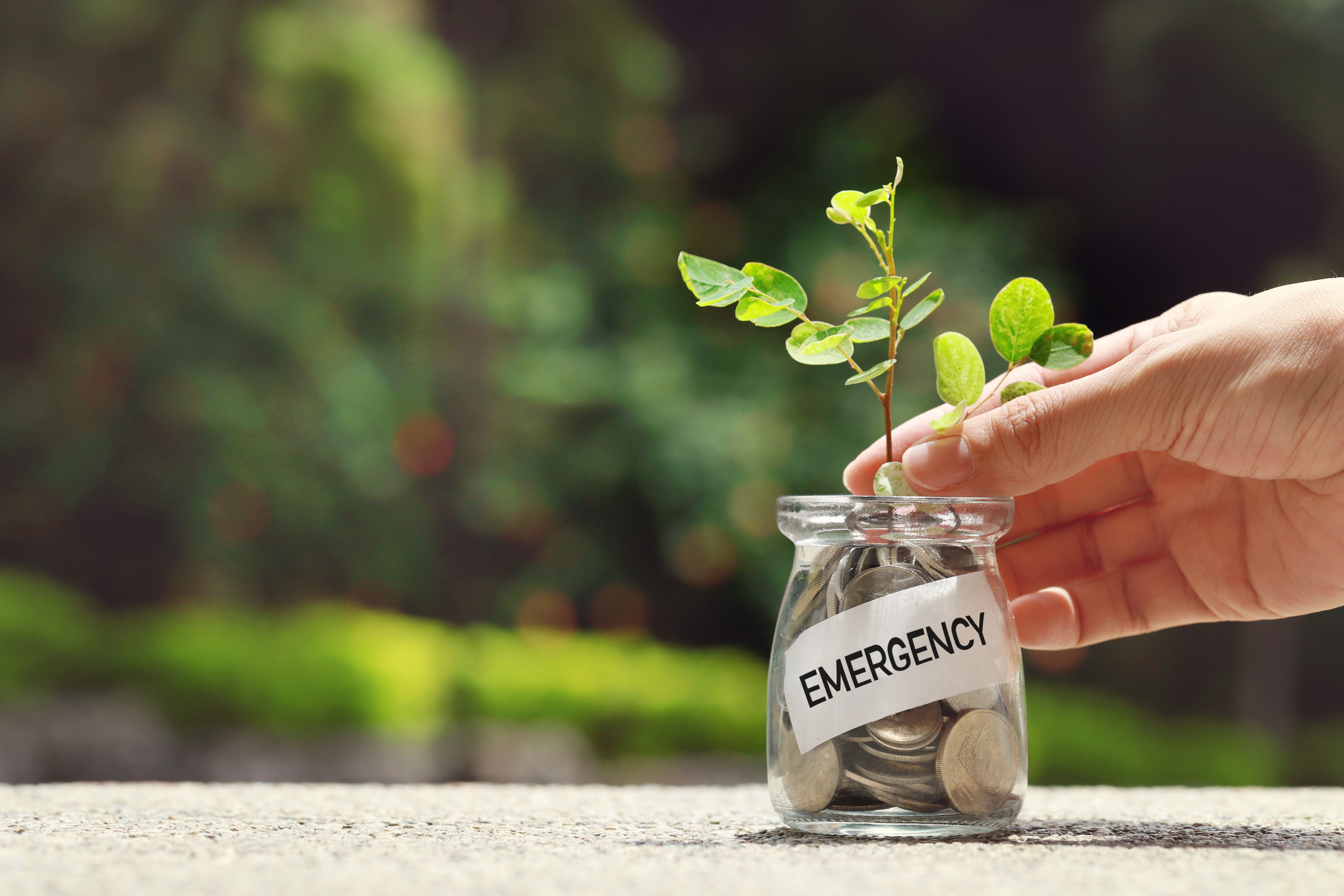
Why an Emergency Fund Matters More Today
Life feels less predictable than it once did. Because of this, an emergency fund helps you handle surprises without panic. Medical bills, car repairs, or sudden income changes can happen quickly.
However, when savings are already set aside, decisions feel easier. You avoid debt, stress drops, and focus improves.
Why it matters: An emergency fund buys you time. And time creates better choices.
How Much Emergency Fund Should You Aim For?
Most financial guides suggest saving three to six months of living expenses. While that sounds large, starting smaller often works better.
First, focus on one month of essential costs. Then, slowly build from there. This approach feels realistic and keeps motivation high.
Also, remember that your number is personal. Rent, family size, and lifestyle all play a role. Progress matters more than perfection.
Start Small With Simple Saving Habits
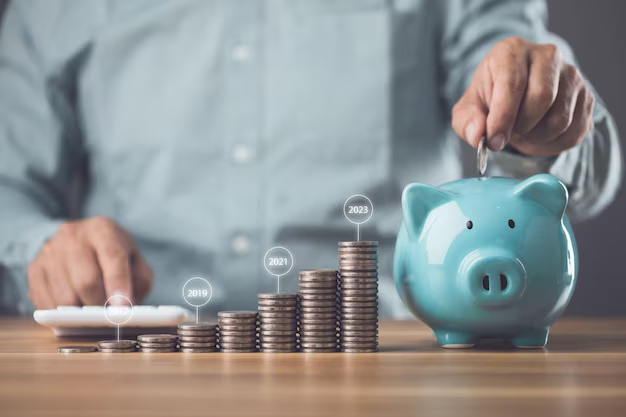
Saving works best when it feels automatic. Many people begin by setting aside a small amount each paycheck. Even $20 or $50 adds up over time.
Additionally, keeping your emergency fund in a separate savings account helps. This separation reduces temptation and creates a clear mental boundary.
Because habits shape results, consistency often beats big, irregular deposits.
Cut Gently, Not Drastically
Building an emergency fund does not require extreme budgeting. Instead, gentle adjustments make the process sustainable.
For example, review subscriptions you rarely use. Consider cooking one more meal at home each week. Small changes free up cash without harming your lifestyle.
Why it matters: Sustainable saving keeps stress low and momentum strong.
Where to Keep Your Emergency Fund Safely
Accessibility matters when choosing where to store your emergency fund. A high-yield savings account often works well. It keeps money liquid while earning modest interest.
Avoid investments that fluctuate. Emergency savings should stay stable and easy to access.
Because emergencies rarely wait, speed and safety matter more than returns.
Stay Motivated When Progress Feels Slow
At times, saving can feel invisible. Balances grow quietly, and daily life continues. To stay motivated, track milestones instead of totals.
Celebrate your first $500. Acknowledge your first full month of expenses saved. These moments matter.
Also, remind yourself why you started. Peace of mind is a powerful reward.
Adjust Your Emergency Fund as Life Changes
Life evolves, and so should your emergency fund. New jobs, moves, or family changes may require updates to your savings goal.
Review your fund once or twice a year. Adjust calmly, without pressure. Flexibility keeps your plan realistic and useful.
A Calm Way Forward
In today’s economy, building an emergency fund is an act of self-care. It creates space between you and life’s surprises. More importantly, it replaces worry with quiet confidence.
Start small. Stay consistent. Over time, your emergency fund becomes more than money—it becomes peace of mind.







Post Comment