The Surprising Ways AI Is Helping US Students Learn Better
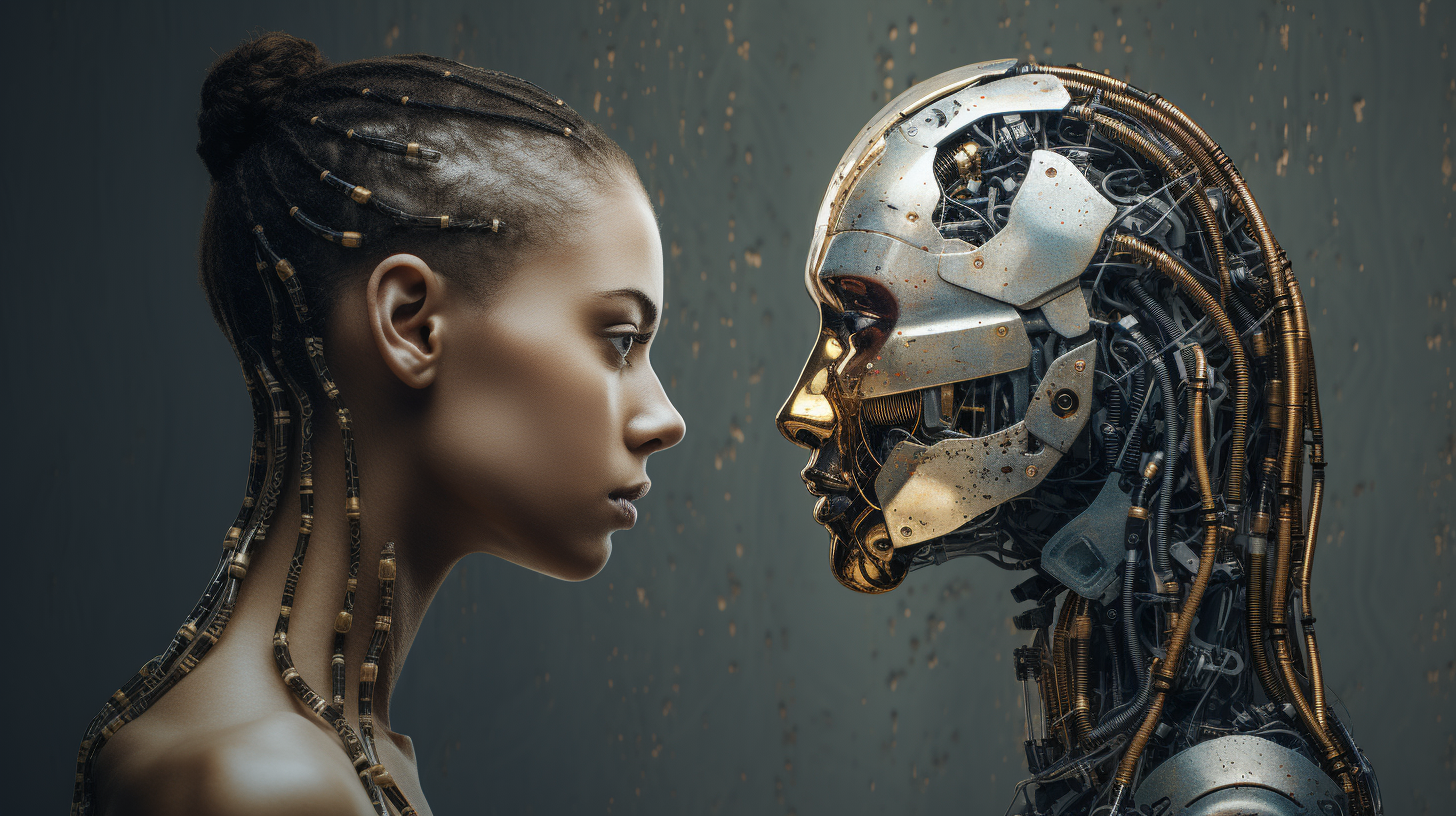
AI now shows up in classrooms in quiet and helpful ways. It does not replace teachers or remove human connection. Instead, it works in the background, like a steady light that helps students see more clearly. Across the US, students open their laptops each morning and find tools that guide, support, and adapt to how they learn. Because of this shift, learning feels more personal and less overwhelming.
As education changes, many students discover that AI does not rush them. Instead, it meets them where they are and helps them move forward with confidence.
Personalized Learning With AI Tools
One of the biggest ways AI helps US students learn better is through personalized learning. Every student absorbs information differently. Some learn faster with visuals, while others need repetition or practice. AI-powered platforms notice these patterns and adjust lessons in real time.
For example, if a student struggles with math concepts, the system offers simpler explanations or extra practice. At the same time, students who move faster receive more challenging tasks. As a result, learning feels balanced instead of frustrating. This approach matters because students no longer feel left behind or held back.
AI Supporting Teachers and Classrooms
AI does not work alone. It supports teachers by handling routine tasks like grading quizzes or tracking progress. Because of this help, teachers spend more time guiding discussions and offering feedback.
In many US schools, teachers now use AI dashboards to observe student progress at a glance. They can quickly see who needs extra support. Then, they can step in early. This partnership creates a classroom that feels calmer and more focused. Students benefit because teachers have more time to connect and explain.
Improving Study Habits With AI Assistance
AI also helps students build better study habits. Many apps now suggest study schedules based on deadlines and energy levels. For instance, if a student studies better in short sessions, the app breaks lessons into smaller parts.
Additionally, AI tools can explain topics in simpler language. If a student does not understand a concept, they can ask follow-up questions without feeling embarrassed. This safe space encourages curiosity. Over time, students grow more confident and independent.
Making Learning More Accessible
Another surprising benefit of AI is accessibility. Students with learning differences often need flexible support. AI tools can read text aloud, summarize lessons, or convert speech into notes.
Because of these features, students with dyslexia, attention challenges, or language barriers can learn at their own pace. Education becomes more inclusive. This matters because learning should feel possible for everyone, not just a few.
Preparing Students for the Future
While AI helps with daily learning, it also prepares students for future careers. Many US students now learn how to work alongside AI tools. They practice problem solving, creativity, and critical thinking.
Instead of memorizing facts, students focus on understanding ideas. AI handles repetitive tasks, while students explore deeper questions. As a result, learning feels more meaningful and relevant to real life.
Conclusion
AI continues to shape how students learn in quiet but powerful ways. It personalizes lessons, supports teachers, improves study habits, and opens doors for accessibility. Most importantly, it helps students feel seen and supported.
From a personal perspective, AI works best when it stays human centered. It should guide learning, not control it. When used thoughtfully, AI becomes a helpful companion that makes education clearer and kinder. As US classrooms evolve, AI will remain a tool that supports better learning experiences, now and in the years ahead.









Post Comment